
Types of pipe opening devices and comparing their use
Introduction
Clogging of sewer pipes in buildings and industrial facilities is one of the most common maintenance problems. Choosing the right pipe opening device based on the type of blockage, pipe diameter, path depth, and pipe material plays an important role in the speed and quality of opening the path. Pipe-opening devices are classified into several main mechanical, electric, compression and waterjet groups.
A) manual type (mechanical)
- Structure: rust resistant steel spring wire with rotating handle.
- Application: surface blockages in the camel's throat, sink and pipes with a diameter of 2 to 4 cm.
- Features: No need for electricity, light and portable.
- Limitation: low penetration depth and inefficiency in hard cement or oily sediments.
B) electric type (motorized)
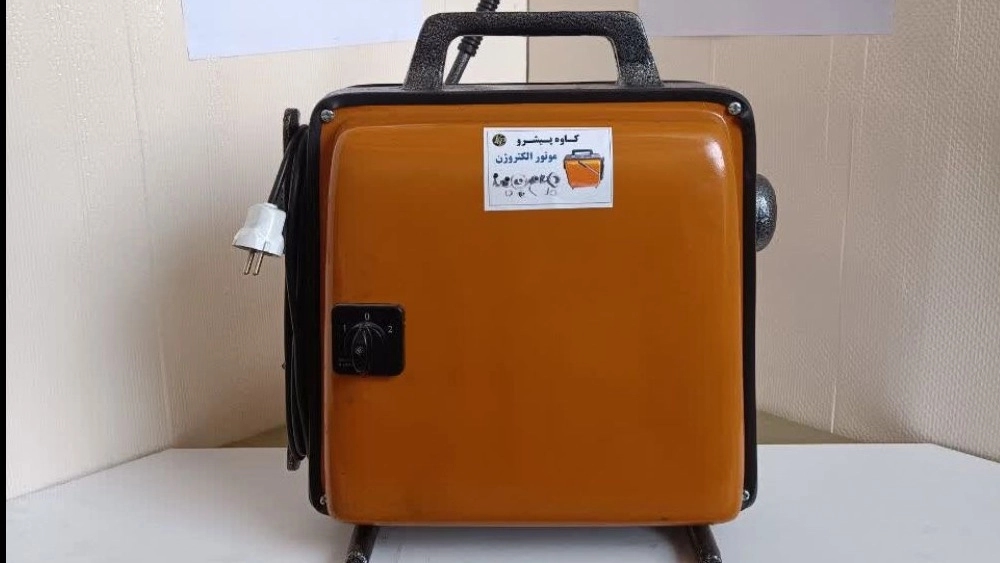
- Structure: It has an electric motor with a gearbox and a multi-meter flexible spring.
- Application: more suitable for service businesses and multi-story buildings.
- Typical technical characteristics: motor power around 400 to 750 watts, replaceable spring 15 to 30 meters.
- Advantage: uniform rotation of the spring and complete opening of the path in pipes with a diameter of 4 to 10 cm.
- Basis of operation: sudden release of air pressure in order to break blockage in the depth of the track.
- Standard use: Iranian toilets, long horizontal pipes, and places with limited access.
- Advantages: deep penetration, no damage to the wall of PVC or polyethylene pipe.
- Safety tip: The output pressure should be set between 3 and 6 bar to prevent the joints from bursting.
- Functional description: High pressure water injection (60 to 200 bar) through the nozzle in the blockage path.
- Industrial use: factories, multi-storey parking lots, urban sewage wells.
- Key advantage: simultaneously washing the pipe wall and removing calcareous deposits.
- Common technical specifications:
- Working pressure: 100-200 bar
- Electric motor: 3 to 5.5 kW (IE3 standard)
- Function: dissolution of fatty and organic substances by heat or acidic compounds.
- Advantages: Suitable for small household pipes.
- Restrictions: risk of plastic pipe corrosion, restrictions in industrial kitchen wastewater.
- Technical recommendation: In industries or areas with polyca piping, this method should only be used to remove surface blockage.
---
### 5. Adaptive Summation
| Device type Energy source Depth of performance The right place
| Manual spring Mechanical low Small house Cheap and light
| Electric spring Municipal electricity Medium to high Apartment High efficiency
| Condensation Compressed air A lot Toilet | Instantaneous speed
| Waterjet Electric/gasoline Very much Industrial Complete cleaning
| Chemical Chemical heat low Sink and bathroom No working sound |
---
Conclusion
According to the type of application, the selection of pipe-opening equipment should be based on the technical and safety conditions of the work environment. In industrial centers, the waterjet method with a high-pressure pump has the highest efficiency and the least damage to the pipe network, while in home service projects, the electric spring device is considered a more economical and reliable option.